
Can vitamins shape appetite?
What whole foods do—and ultra-processed foods quietly undo.

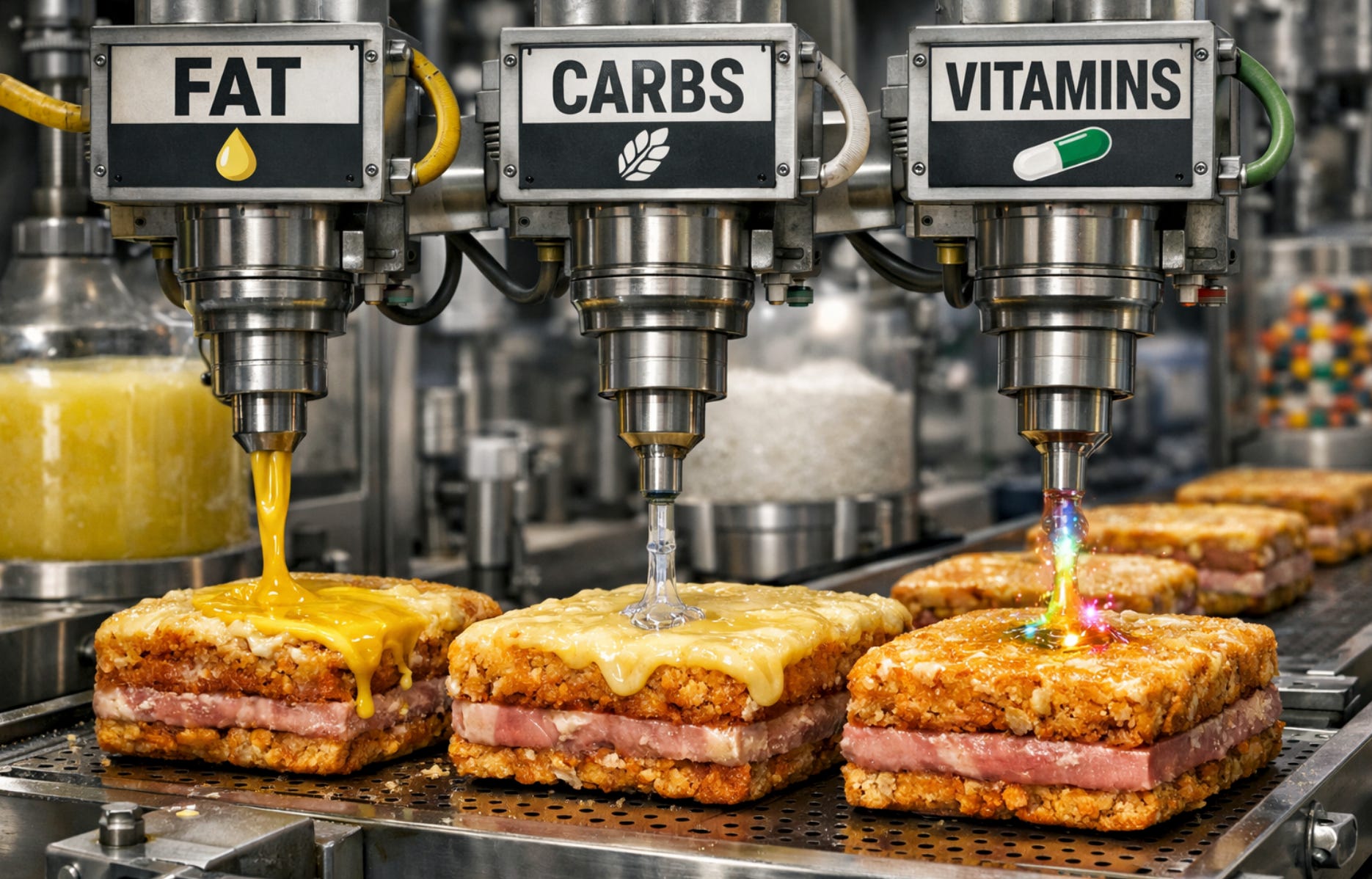
“Ultra-Processed Diets Cause Excess Calorie Intake and Weight Gain”
These eight words changed the way we talk—and think—about food. They formed the headline of a paper in the journal Cell Metabolism published on July 2, 2019. Within a few years, carbs would be displaced by a new, more nebulous nutritional enemy.
In the now famous experiment, twenty men and women spent nearly a month living at a clinic in Bethesda, Maryland. For fourteen days, they ate one of two specially formulated diets. For the next fourteen days, they ate the other.
The two diets were designed to be very similar. Levels of salt, sugar and fat were the same. So was the percentage of calories coming from protein, fat and carbs, and so was energy density. The meals were even served at the same time in the same room using the same plates, knives and forks.
There was, of course, one important difference. One diet was ultra-processed, and the other was unprocessed. One diet was manufactured and packaged, and the other was wholesome and natural. What these twenty men and women chose to eat and not eat was measured down to the gram.
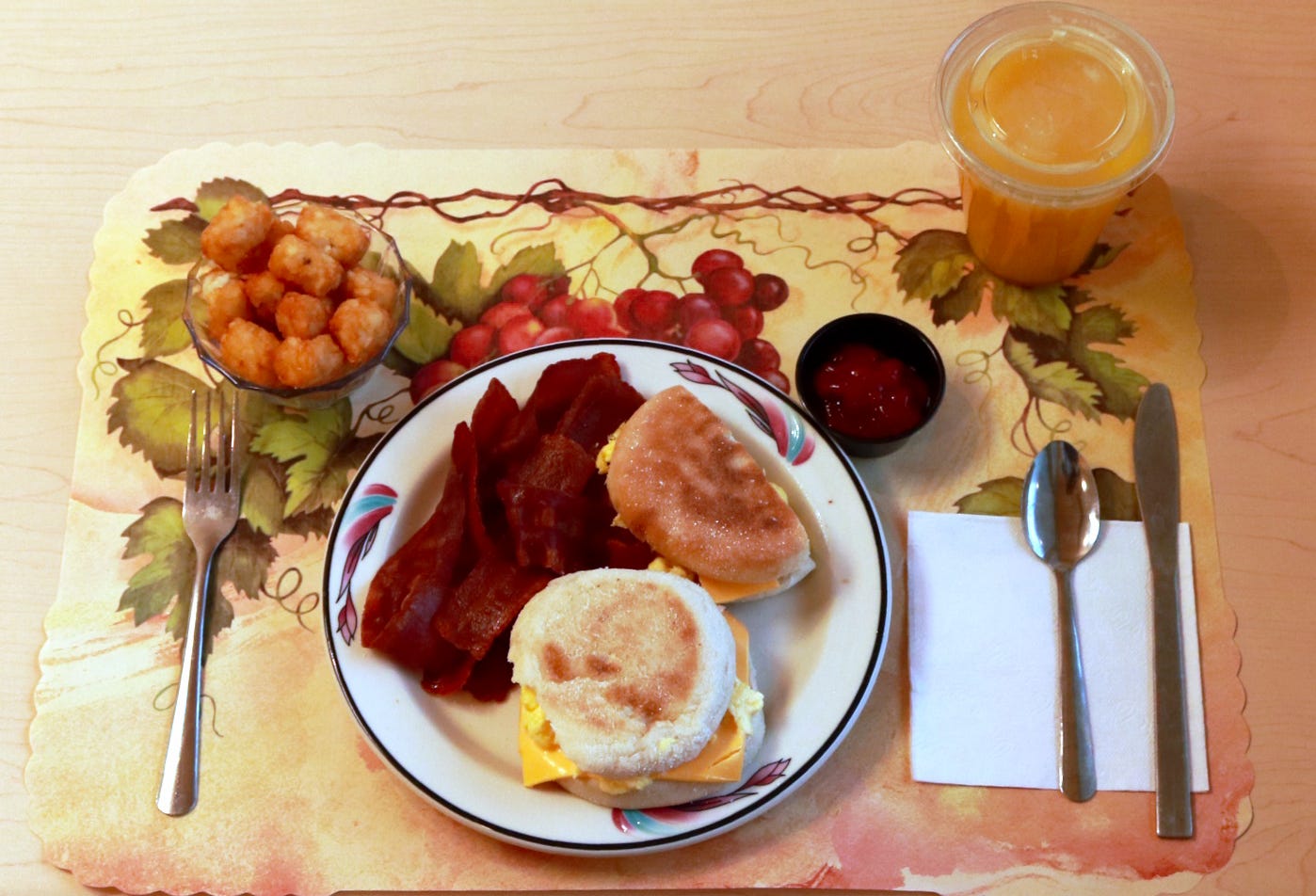
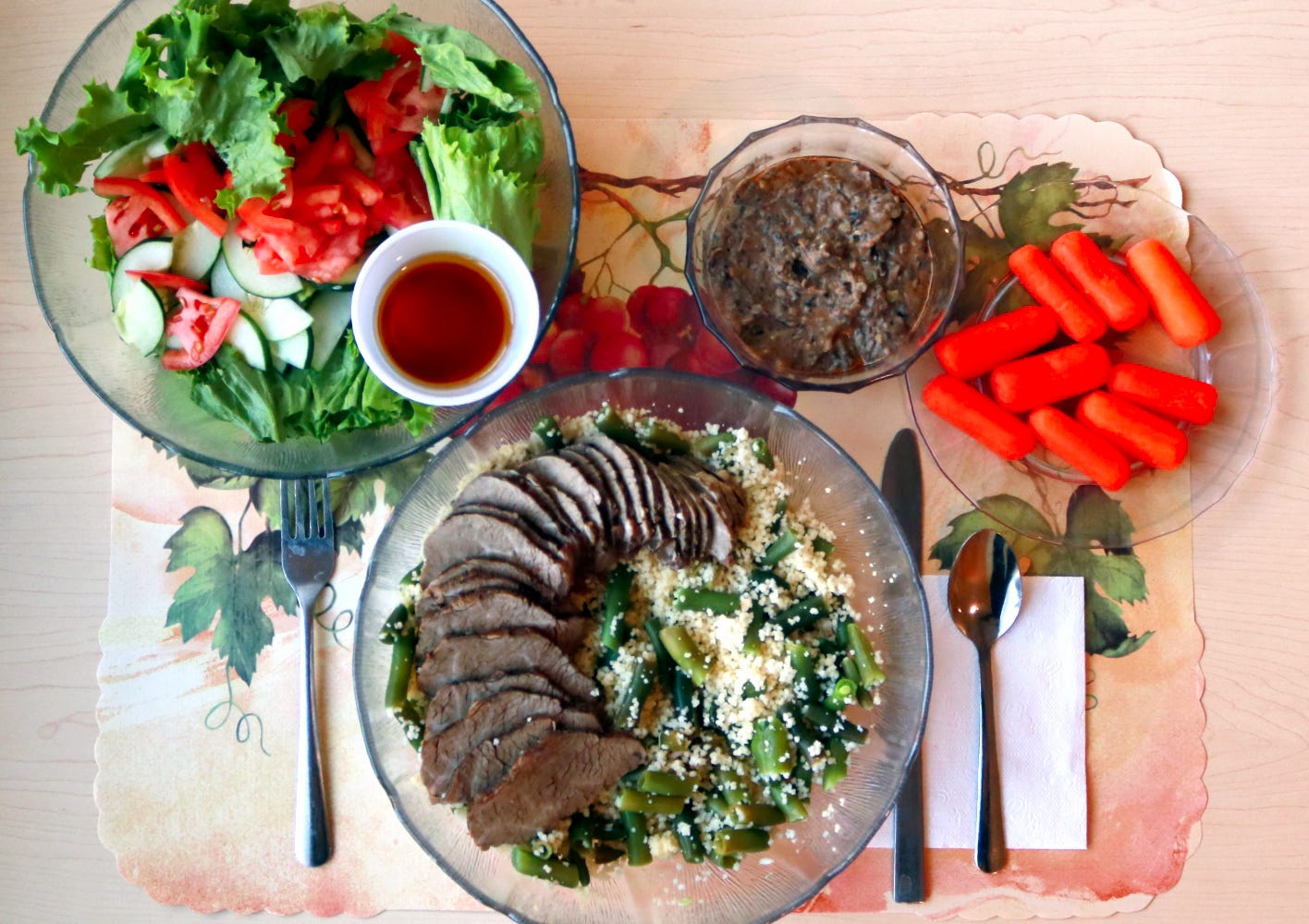
The findings were striking. During the two-week ultra-processed phase, the experimental subjects consumed around 500 calories more each day than they did during the unprocessed diet. They gained weight on the ultra-processed diet, and they lost weight on the unprocessed diet.
More studies followed. Randomized controlled trials. Meta-analyses. There were news reports. Opinion pieces. Books. Government policy. “Ultra-processed” is now a household word, thanks in large part to that study.
Today I want to talk to you about another study, one that I hope might also change the way we talk and think about food. This study is also about ultra-processed foods. In fact, it examines the very same set of data as that famous 2019 study. But this time, my research partners and I reframed the question. Instead of asking why people ate more ultra-processed foods, we asked why people ate less of the unprocessed foods?
The two diets, remember, were designed to be similar. On a meal level, the unprocessed meals featured plenty of calorie-rich foods like steak, pasta, couscous, potatoes, nuts, cream and olive oil. If people had wanted to load up on calories during those unprocessed meals, they sure could have.
So why didn’t they?
Here’s another curious fact: the unprocessed meals were huge—57 percent larger by mass, the largest statistical effect in the entire experiment. So not only were people eating fewer calories, they were also eating a lot more food.
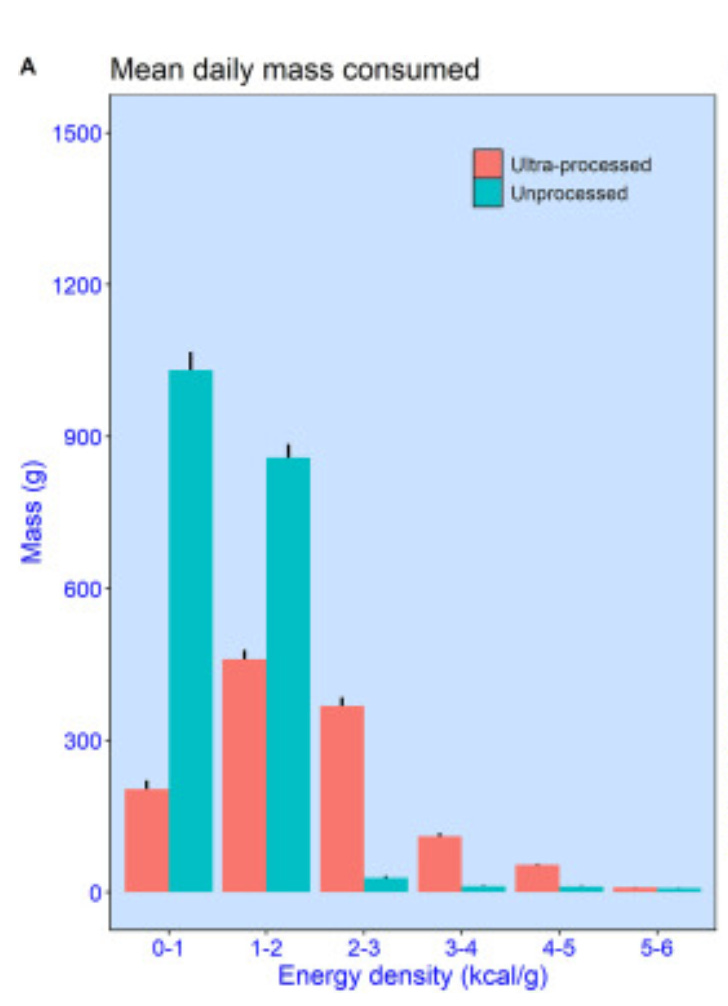
Now have a look at what they chose to eat. Instead of filling up on steak, pasta, hash browns and cream, they ate fruits and vegetables. It wasn’t just a floret of broccoli here and a slice of apple there. Helpings were large, often hundreds of grams per meal. In fact, fruits and vegetables comprised more than half the mass of the unprocessed meals.
We are told, over and over, that humans are calorie cravers—evolved to prize energy-dense foods that feed our massive brains and guard against famine. So why were subjects leaving hundreds of scrumptious calories just sitting there on the plate and instead consuming unexpectedly large helpings of foods considered bland and unpalatable and which deliver a pittance of calories? And how is it, furthermore, that participants rated both diets as equally pleasant?
When we looked at the micronutrient content of the two diets—the vitamins and minerals—a pattern emerged. What, we wondered, would have happened on a micronutrient level if the participants in that experiment had just loaded up on the steak, hash browns, pasta and potatoes? The answer is that they would have fallen short on certain essential vitamins and minerals and eventually developed insufficiencies. Those nutritional gaps were filled by the fruits and vegetables.
This brought something new and important into focus. Unprocessed foods confront humans with a nutritional dilemma: a trade-off between calories and vitamins and minerals. If you emphasize one, you will fall short on the other.
More importantly, we appear able to handle this trade-off. Instead of gorging on calories like famished cavemen, the study’s participants balanced their diet with fruits and vegetables—and they enjoyed it. It’s as though exposure to a whole-foods environment awakens a nutritional intelligence that guides us toward needed foods and amplifies the pleasure they deliver. This tendency, furthermore, shapes diet in a profound way—the calorie count goes down.
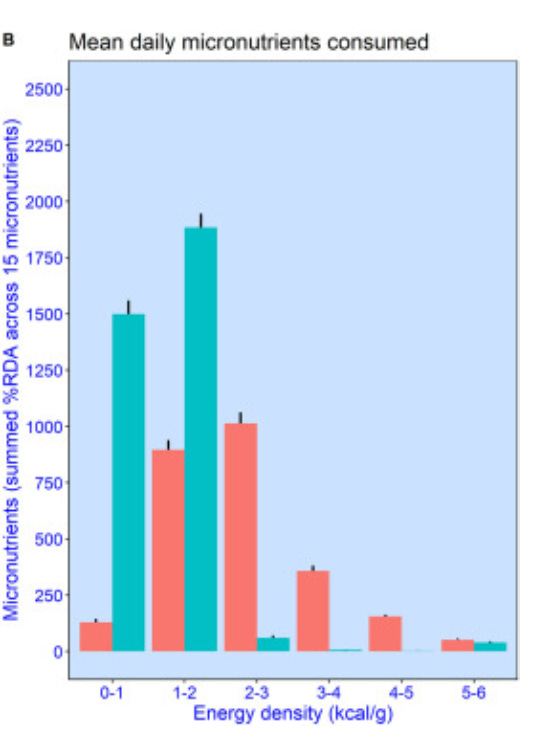
We call this micronutrient deleveraging. Those needed vitamins and minerals reside inside foods that are fibrous, bulky and filled with water. Eating them comes at a cost. They take up stomach space. They are loaded with phytochemicals and bitter compounds that promote satiation. The upshot is that eating these foods constrains the amount of calories a person can eat.
The ultra-processed diet told a very different story. Contrary to the widespread belief that ultra-processed foods deliver “empty calories,” we found that they supplied about 75 percent of the micronutrients of the unprocessed diet—probably enough to get by. Some of those micronutrients are present naturally. For example, there are vitamins and minerals in the beef inside Chef Boyardee Beef Ravioli.
Much of the time, however, those micronutrients were supplied via fortification—in other words, added during manufacturing. For example, spinach was a rich source of vitamin A in the unprocessed diet. In the ultra-processed diet, the richest sources of vitamin A were French toaster sticks and frozen pancakes—which are ten times more energy-dense than spinach. This pattern holds across both diets. In the unprocessed diet, very low-calorie foods delivered 42 percent of the micronutrients. With the ultra-processed diet, that number was just 5 percent.
This is one of the overlooked aspects of ultra-processed foods: there is no trade-off between calories and micronutrients. Vitamins and minerals and calories are co-located in the same foods. If you seek one, you get the other.
This raises the possibility that ultra-processed foods promote overeating for a reason we have thus far been blind to: they resolve the fundamental trade-off between calories and micronutrients that exists in whole foods—effectively lifting a natural constraint on intake.
All told, these findings challenge some of our foundational beliefs about food. Take overeating as an example. It is widely thought to cause obesity—the more you eat, the more you weigh. But in this study, when people ate bigger meals, they consumed fewer calories and lost weight. The healthful effects of eating whole foods, furthermore, seem to go deeper than we think. The idea that they are nourishing simply because they are low in calories is wrong—many are drenched in calories.
They seem, rather, to affect our brains. An unprocessed diet appears to guide people toward healthier eating. Not only are we drawn to the very foods we are repeatedly told to eat—fruits and vegetables—we enjoy them.
Standing in the shadows and quietly shaping our appetites is the one aspect of food we so rarely think about: micronutrients. The vitamin and mineral content of food may shape not just what we eat, but how much we eat and even how much we enjoy it.
More worryingly, these findings suggest the seemingly benign practice of adding micronutrients to everything from flour, bread and breakfast cereals to energy drinks may play a role in fueling obesity. If it weren’t bad enough that ultra-processed foods are ubiquitous, cheap and engineered to be delicious, they may also be quietly rewiring our appetites—turning an innate nutritional intelligence against itself.
***
Mark Schatzker is the Writer in Residence and Associate Director of Communications at the Modern Diet and Physiology Research Centre (MDPRC), McGill University.
Hi Mark: This is one of your best articles yet. It must feel like you are getting closer and closer to answers that will unlock the mysteries of obesity in our culture.
I never want to eat broccolli but when I do I always think...this is good...I should eat more!